
Why FIRE Portfolio Concentration Risk Breaks 15-Year Plans
FIRE portfolio concentration risk threatens 15-year plans. Diversifying beyond the Magnificent Seven guards against sequence risk in early retirement.
Practical FIRE movement guides on savings rate, index funds, the 4% rule, and withdrawal strategy for reaching financial independence and retiring early.
FIRE portfolio concentration risk threatens 15-year plans. Diversifying beyond the Magnificent Seven guards against sequence risk in early retirement.
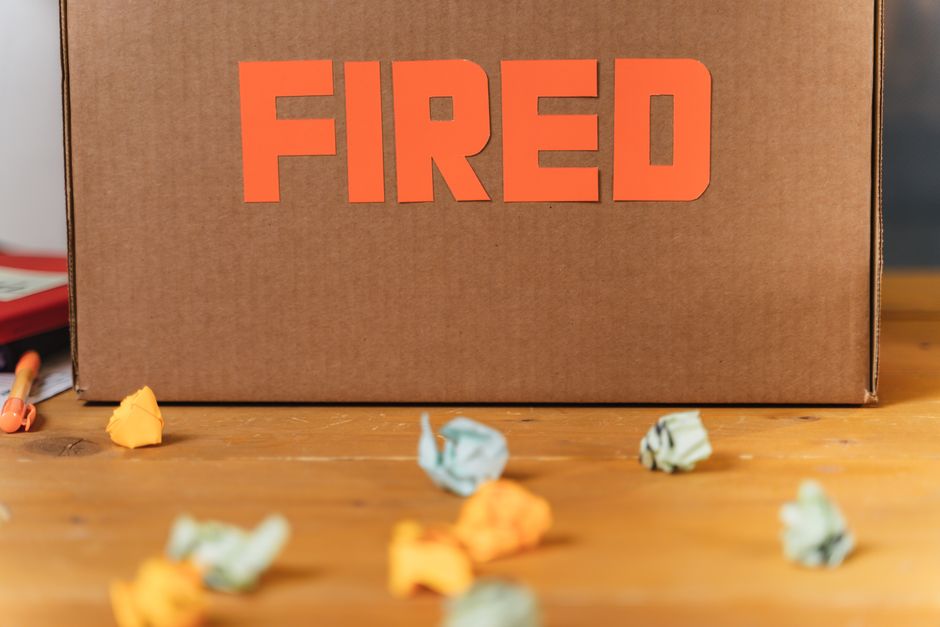
Involuntary FIRE after a late-career layoff? Use gig work and freelancing as bridge income to protect your portfolio during the most dangerous gap years.

FIRE withdrawal strategy math shows why routine market swings dwarf your living expenses, making spending guilt a calibration error you can fix.

Social media monetization in FIRE math. What 57,000 followers and 100k views actually earn across creator funds, brand deals, affiliate, and products.

Early retirement loneliness is a design problem, not a personal failing. See what your workplace quietly supplied and how to rebuild it in your 40s.

S&P 500 concentration risk is a sequencing problem for retirees, not accumulators. Sixty years of index churn shows why, plus the bond tent fix.

Buy now pay later quietly inflates your savings rate and your FI number. Learn the 25x math, a weekend audit, and when 0% financing is actually smart.

A small-cap value tilt moves a 50% savings-rate FI date by barely a year, and it deepens early-retirement drawdowns. See the trade-off priced in FI months.

Solo FIRE withdrawal math: find the safe withdrawal rate for a one-person 40 to 60 year retirement with no partner income or survivor benefit.

Die with zero math done with real numbers. Price the surplus a 4% FIRE plan historically leaves in wasted work years and closed spending windows.

Audit your employment contract before starting a side business while working full-time. IP assignment and non-competes can erase months of FIRE progress.

How to get your first client comes down to channel math. Rank free channels by real cost, price client LTV in FI months, and run a $50 go or no-go test.

Venture capital after FIRE only works above an inflation-indexed spending floor. See the arithmetic that turns a 4% rate into 5.7% on liquid assets.
Bengen's 4.7% safe withdrawal rate assumes 30-year retirements. See how much survives a 50-year horizon and what it does to your FIRE number.

Multiple income streams from one skill beat side hustles on FIRE math: a single filming habit became $1,000 a month, worth about $300,000 at the 4% rule.